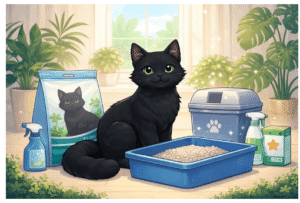
 Why does odor control matter for cat owners? Effective odor management is crucial because cat waste contains compounds that quickly produce strong ammonia smells, which can make your home environment unpleasant and potentially cause stress for both you and your cat. Managing these odors properly helps maintain a healthier relationship with your pet while creating a more comfortable living space for everyone.
Cat ownership brings many joys, but dealing with litter box odors can be one of the most persistent challenges you’ll face. This article will help you tackle those unwanted smells with practical solutions that work for both you and your feline friend.
Best Cat Litter Choices For Odor Control
Factors For Choosing The Right Litter
Selecting the optimal cat litter for odor control requires consideration of several key elements beyond just the base material. Your cat’s preferences should guide your decision, as even the most effective odor-fighting litter becomes useless if your pet refuses to use it.
Clumping ability significantly impacts odor management. Litters that form tight, solid clumps allow for complete removal of urine, preventing ammonia buildup. Non-clumping varieties may leave behind residual waste that contributes to ongoing odor issues.
Dust levels affect both your home environment and respiratory health. Low-dust formulations help maintain air quality while reducing the amount of litter tracked throughout your living space. This factor becomes especially important in households with asthma or allergies.
Scented versus unscented presents another consideration. While scented options might mask odors temporarily, many cats dislike strong fragrances and may avoid heavily perfumed litters. Unscented varieties that neutralize rather than cover odors often provide better long-term results.
Your budget plays a practical role in litter selection. Premium odor-control formulations typically cost more initially but may prove economical through reduced frequency of complete litter changes. Consider both purchase price and how long each type lasts when calculating true cost.
Household dynamics matter too. Multi-cat homes generally require stronger odor-fighting capabilities, while homes with kittens might benefit from non-clumping litters until proper litter box habits develop.
Proper Disposal And Storage
Effective litter management includes how you handle waste after scooping. For disposal, a dedicated system like a Litter Genie litter pail helps contain odours between trash days.
Avoid flushing cat litter, even types labeled as “flushable,” as this can cause plumbing issues and potentially introduce harmful parasites into water systems.
Storage of fresh litter deserves attention too. Keep unused product in its original packaging or transfer to airtight containers to maintain effectiveness and prevent moisture absorption. Storing litter in cool, dry locations preserves its odor-fighting properties and prevents premature degradation.
The litter box itself requires regular maintenance beyond daily scooping. Plan to replace the entire contents every 2-4 weeks depending on usage and litter type. Washing the empty box with mild soap and water before refilling helps eliminate lingering odors that might build up over time.
Location of your litter box affects odor perception throughout your home. Place boxes in well-ventilated areas away from food preparation spaces. Avoid extremely enclosed locations where odors can concentrate, but provide enough privacy that your cat feels comfortable using the box consistently.
Understanding Litter Box Odors
How Odors Develop
Cat urine contains urea, which breaks down into ammonia when exposed to oxygen. This chemical reaction produces that distinctive sharp smell many cat owners recognize. Bacteria play a major role in this process, multiplying rapidly in the warm, moist environment of soiled litter.
Feces contain different compounds that produce their own unique odors. These smells intensify when waste sits in the litter box for extended periods. The longer waste remains, the more time bacteria have to multiply and release odor-causing compounds into the air.
Temperature and humidity levels in your home can accelerate these biological processes. Warmer environments speed up bacterial growth and chemical reactions, making odors more noticeable during summer months or in heated rooms.
Common Mistakes That Trigger Odor Buildup
Using too little litter prevents proper absorption of urine, allowing more ammonia to escape into the air. Many cat owners don’t realize that most cats prefer a litter depth of at least 3-4 inches for comfortable digging and covering.
Cleaning schedules often fall short of what’s actually needed. Daily scooping represents the minimum requirement, with complete litter changes necessary every 1-2 weeks depending on usage. Postponing these tasks allows odors to intensify and become more difficult to eliminate.
Poor litter box placement can trap odors in enclosed spaces. Boxes placed in small bathrooms, closets, or laundry rooms without adequate ventilation create concentrated smell zones throughout your home.
Selecting the wrong type of litter might save money initially but cost more in odor control later. Some budget options lack the absorbency or odor-neutralizing capabilities found in higher-quality products specifically designed for multiple-cat households.
Overlooking box maintenance leads to buildup of waste residue on the plastic surfaces. Even with regular scooping, the box itself requires thorough washing with mild soap every few weeks to remove absorbed odors.
Maintaining A Fresh-Smelling Home
Litter Box Maintenance Routine
Keeping your home fresh starts with proper litter box maintenance. Daily scooping should be your top priority – removing waste at least once per day prevents odor buildup and keeps your cat happy. Many cat owners find that scooping twice daily works even better.
Complete litter changes need to happen weekly. Empty the box entirely, wash it with mild soap and warm water, dry thoroughly, then refill with fresh litter. Avoid using harsh chemicals that might repel your cat or cause health issues.
Several tools can make this routine easier:
- Scoops with fine mesh to catch small particles
- Liners for quick complete changes
- Covered disposal systems that seal in odors
- Automated self-cleaning boxes for busy households
Your consistency with this routine directly impacts how fresh your home smells. Cats appreciate clean facilities just as much as you enjoy a clean-smelling home.
Importance Of Diet And Nutrition
What goes into your cat affects what comes out. High-quality cat food with digestible proteins produces less pungent waste compared to lower-quality options filled with fillers and artificial ingredients.
Consider these dietary factors that influence litter box odors:
- Protein quality matters most – premium animal proteins are more fully digested, leaving less waste material.
- Grain-free options might reduce stool volume and odor for some cats.
- Food allergies can cause digestive upset, leading to stronger-smelling waste.
- Proper hydration helps your cat’s digestive system function optimally.
Gradual transitions between foods prevent digestive upset that could temporarily worsen odors. Monitor your cat’s reaction when changing diets – improvements should become noticeable within a week or two.
Consulting with your veterinarian about appropriate food choices for your specific cat ensures you’re addressing both nutritional needs and odor concerns simultaneously.
Helpful Supplements And Probiotics
Adding certain supplements to your cat’s regimen can significantly improve digestive health and reduce litter box odors. Probiotics stand out as particularly effective by promoting beneficial gut bacteria that aid digestion.
Before starting any supplement, check with your veterinarian to ensure it’s appropriate for your cat’s specific health needs. The right dosage matters too – follow package instructions carefully.
Results typically appear after 2-4 weeks of consistent use. Your patience will pay off with less offensive litter box odors and potentially improved overall health for your feline companion.


hello world
hello world