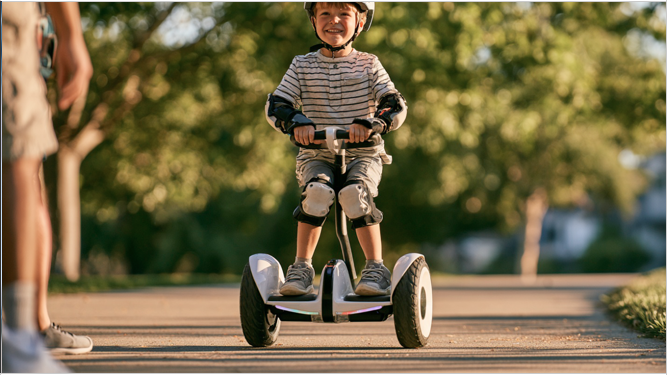
Choosing a ride-on device for a child involves more than finding a fun design. Parents may want to consider age suitability, weight limits, speed, battery life, safety features, and where the scooter will be used. Taking time to understand these factors can help families choose an option that matches a child’s abilities and needs.
A kids self-balancing scooter is a compact electric ride-on device designed to help children move using balance and body control. These scooters can be entertaining for outdoor recreation, but they should be selected and used with appropriate safety precautions. Understanding how they work and what features to look for can help parents make an informed decision.
What Is a Self-Balancing Scooter?
A self-balancing scooter uses sensors, motors, and rechargeable batteries to maintain balance while the rider controls movement through body positioning. Depending on the design, the rider may lean forward to move ahead, shift weight backward to slow down or reverse, and adjust pressure from one side to turn.
Different models can have different controls, wheel sizes, speeds, and weight capacities, so parents should review the manufacturer’s specifications before purchasing.
What Should Parents Consider?
Not every scooter is suitable for every child. Comparing key specifications can help parents find a model that fits the rider.
Age and Weight Requirements
Always check the manufacturer’s recommended age and weight range. A scooter that is too large, powerful, or heavy for a child may be difficult to control.
Parents should also consider the child’s balance, coordination, and ability to follow safety instructions rather than relying only on age.
Speed and Riding Modes
Some children’s models offer lower maximum speeds or different riding modes designed for beginners. A slower setting may give a child more time to become familiar with steering and balance.
Look for features such as:
- Adjustable or beginner speed modes
- Responsive controls
- Stable wheel design
- Appropriate weight capacity
- Clearly stated manufacturer specifications
Safety Features to Look For
Safety should be a major consideration when choosing any electric ride-on device. Parents can look for features that may help improve visibility, control, and stability.
Protective Equipment
Children should wear appropriate protective gear whenever they ride. A properly fitted helmet is particularly important, while knee pads, elbow pads, and wrist protection can provide additional coverage.
Parents should also supervise younger or inexperienced riders and choose a suitable riding environment away from traffic.
Riding Surface
The surface can significantly affect how a self-balancing scooter handles. Smooth, dry, level areas are generally easier for beginners to navigate than uneven or slippery surfaces.
Avoid allowing children to ride near busy roads, steep slopes, stairs, swimming pools, or other hazards.
Battery and Charging Considerations
Battery performance is another factor worth reviewing before purchasing. Parents should check the manufacturer’s information regarding charging time, expected riding range, and battery care.
The scooter should be charged using the supplied or manufacturer-approved charger. Children should not handle charging equipment without adult supervision, and damaged batteries or charging components should not be used.
Maintenance and Storage
Regular checks can help identify potential problems before riding. Parents can inspect the wheels, controls, frame, charging port, and other visible components.
When the scooter is not being used, store it in a dry location and follow the manufacturer’s recommendations for battery storage.
Final Thoughts
A self-balancing scooter can provide children with an enjoyable way to develop balance and coordination while spending time outdoors. However, selecting the right model requires attention to specifications, safety features, riding environment, and the child’s individual abilities.
Parents should always follow the manufacturer’s instructions and local safety requirements. With appropriate protective equipment, supervision, and responsible riding habits, families can create a safer and more enjoyable experience for young riders.

